
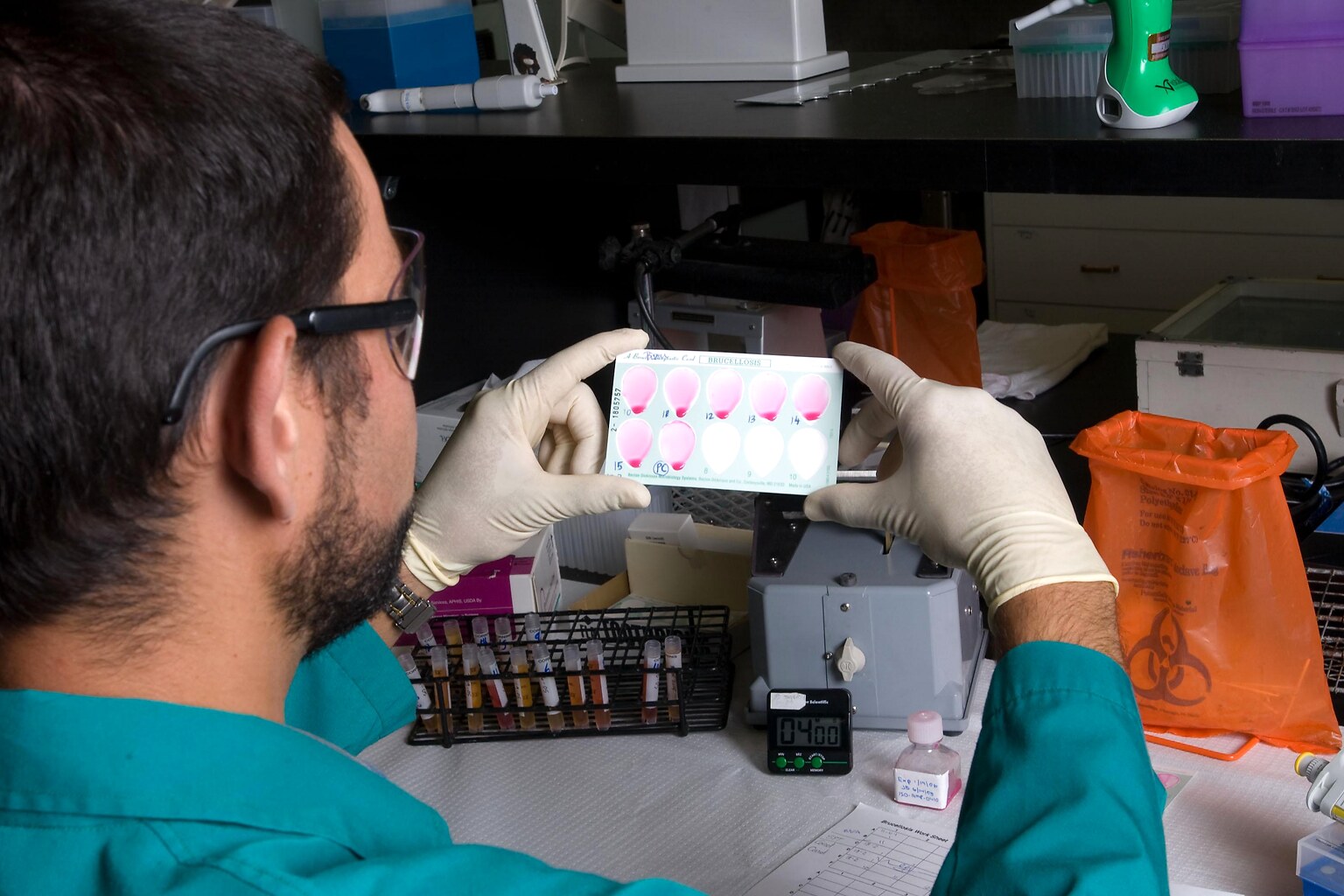
The World Organisation for Animal Health (WOAH) reported that four officials from Namibia's Central Veterinary Laboratory completed a five-day programme on foot-and-mouth disease virus diagnostics at the Agricultural Research Council laboratory in Pretoria, South Africa, from 9 to 13 March 2026.
The programme combined theory with hands-on work. Participants used Solid Phase Competition ELISA (SPCE) for antibody detection, reviewed RT-PCR-based molecular methods for virus detection and analysis, and interpreted Virus Neutralization Test results. The training aimed to strengthen confirmatory diagnostics, routine sample testing, surveillance, and preparedness.
A laboratory-readiness lesson
- Complementary methods matter: serology and molecular testing answer different diagnostic questions.
- Standardization builds confidence: validated procedures, controls, biosafety, and traceable records support comparable results.
- People complete the system: equipment and reagents deliver value only when trained teams can operate, troubleshoot, and interpret them correctly.
For IMD's veterinary-diagnostics community, the report is a practical reminder that dependable disease surveillance depends on complete workflows: suitable assays, maintained equipment, quality systems, and continuous technical training.
Source: World Organisation for Animal Health.
 العربية
 English